
Optical network dossier No. 01
Shape a Better Fiber Network Brief
ROGER FIBRE ATELIER connects route conditions, component interfaces, distribution points and acceptance evidence into one readable physical-layer plan.
Route-led component selection
Interface and enclosure coordination
Field testing and handover context
RouteRead the physical path
InterfaceCoordinate every transition
EvidenceDefine field acceptance
Component folio
A Curated Field Guide to the Physical Layer
Open a system by its role in the route, then follow the interfaces into the adjacent component families.
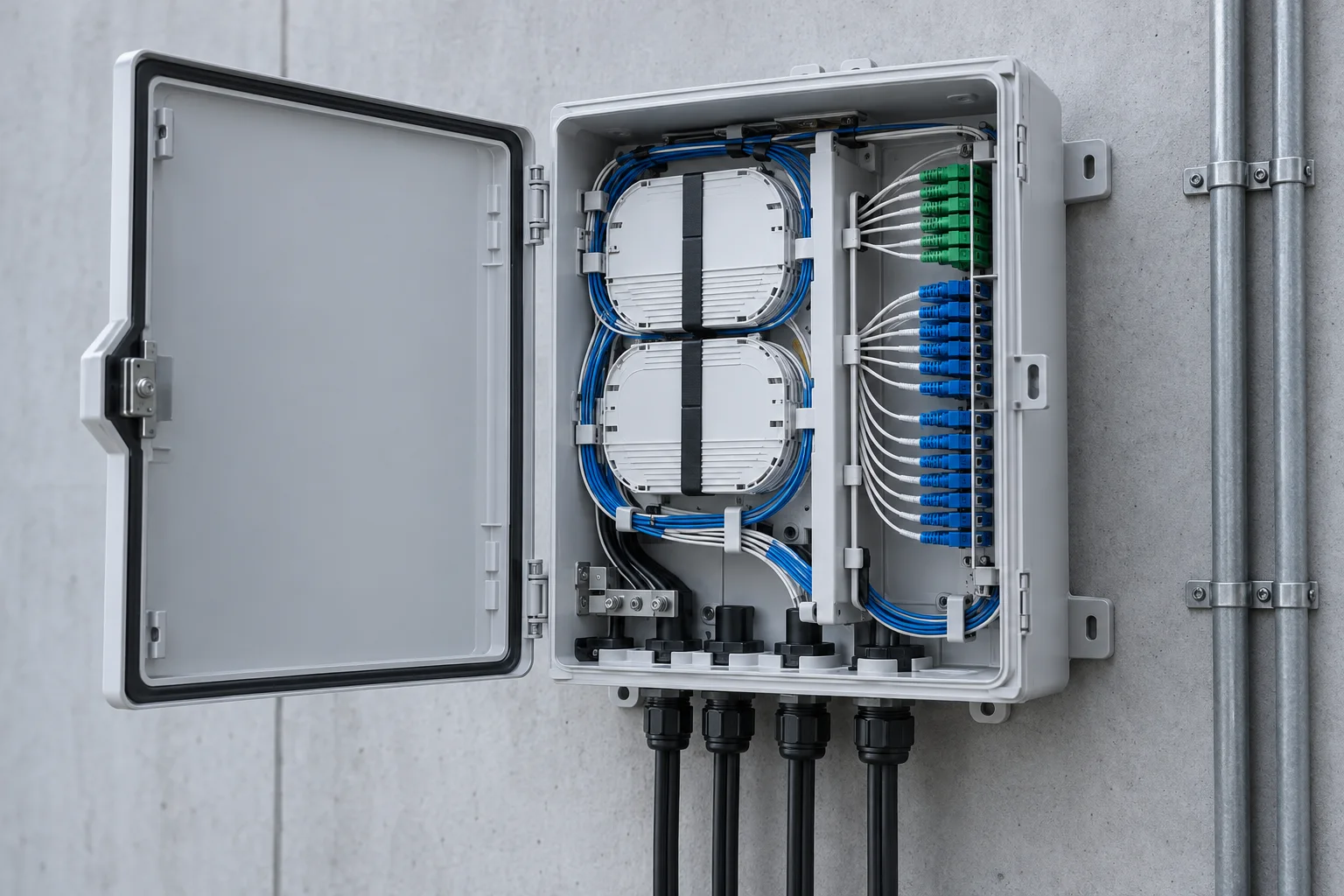
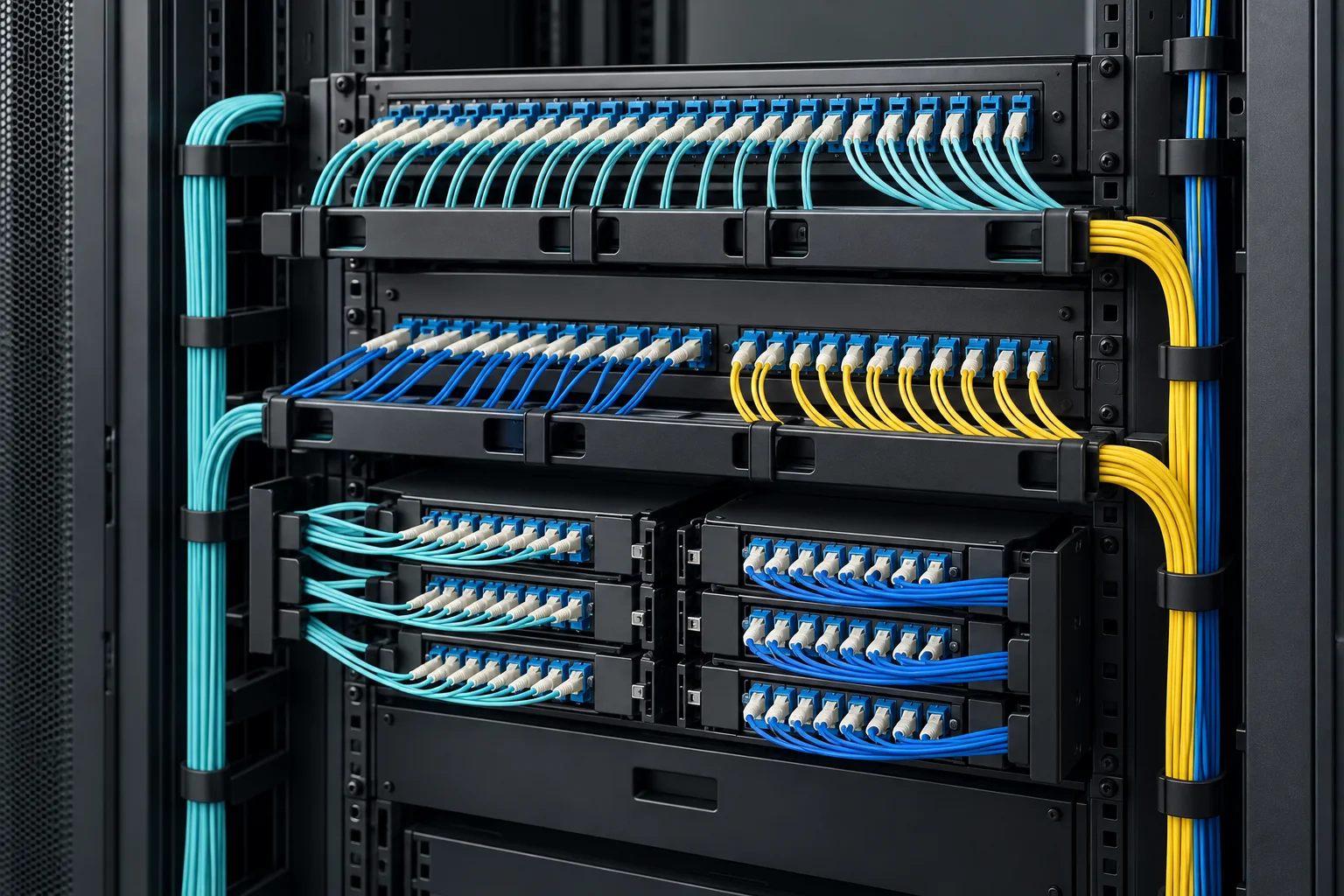
01 · Optical access
Fiber Distribution Systems
Distribution boxes, cross-connect cabinets, ODF panels, terminal boxes and splice closures.
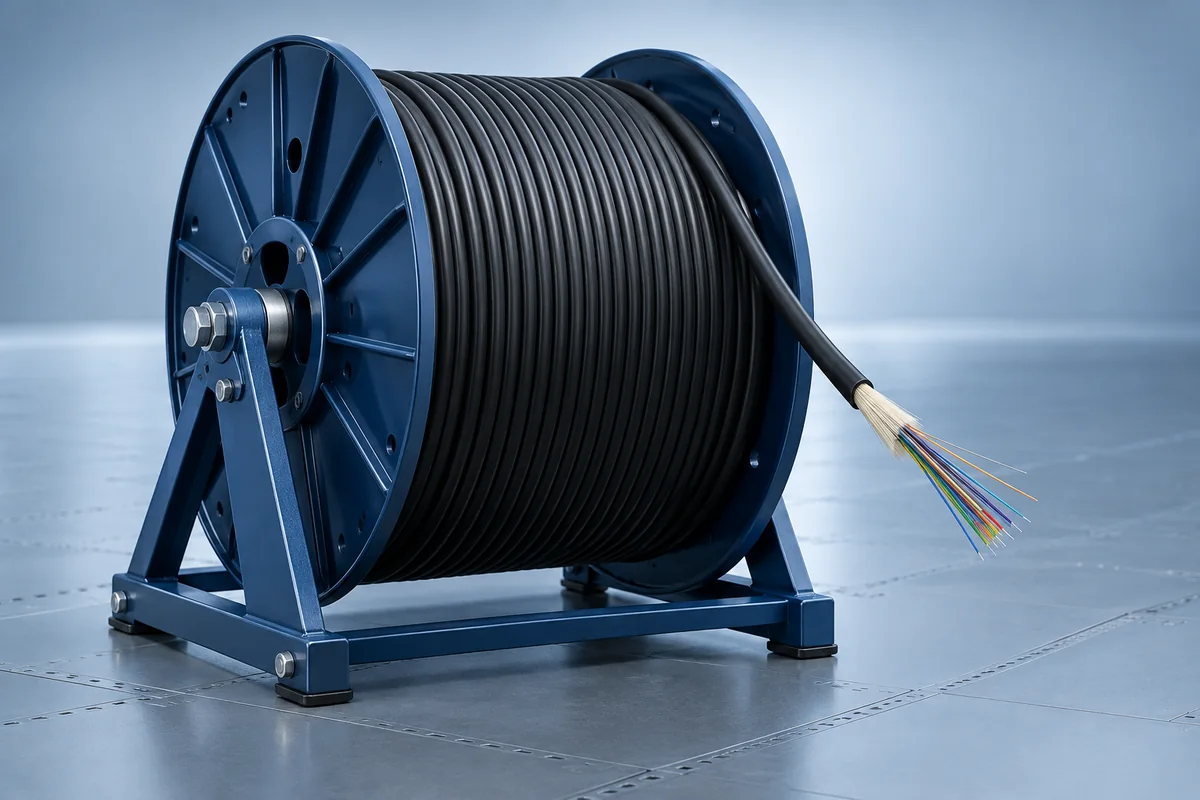
02 · Cable plant
Fiber Cabling Products
Indoor, outdoor, drop, armored and self-supporting construction matched to the route.
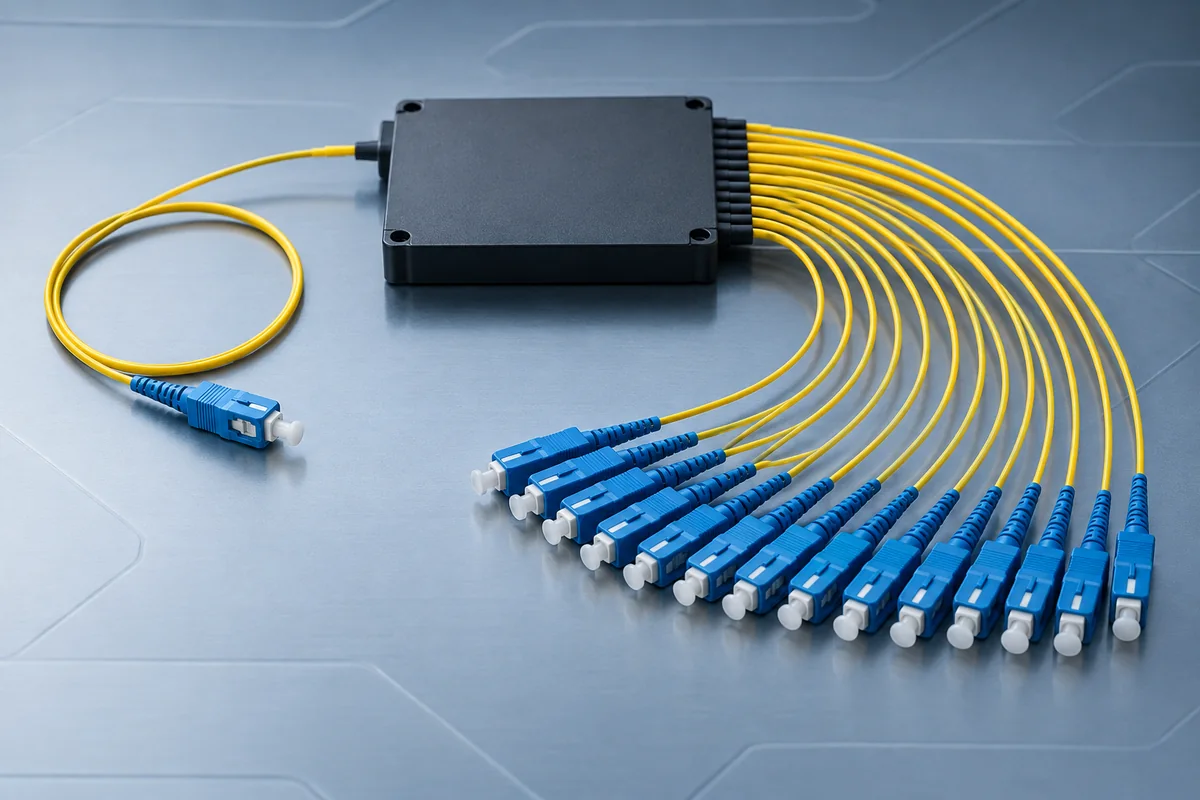
03 · Optical path
Fiber Connectivity
Splitters, adapters, attenuators, patch cords, pigtails and wavelength devices.
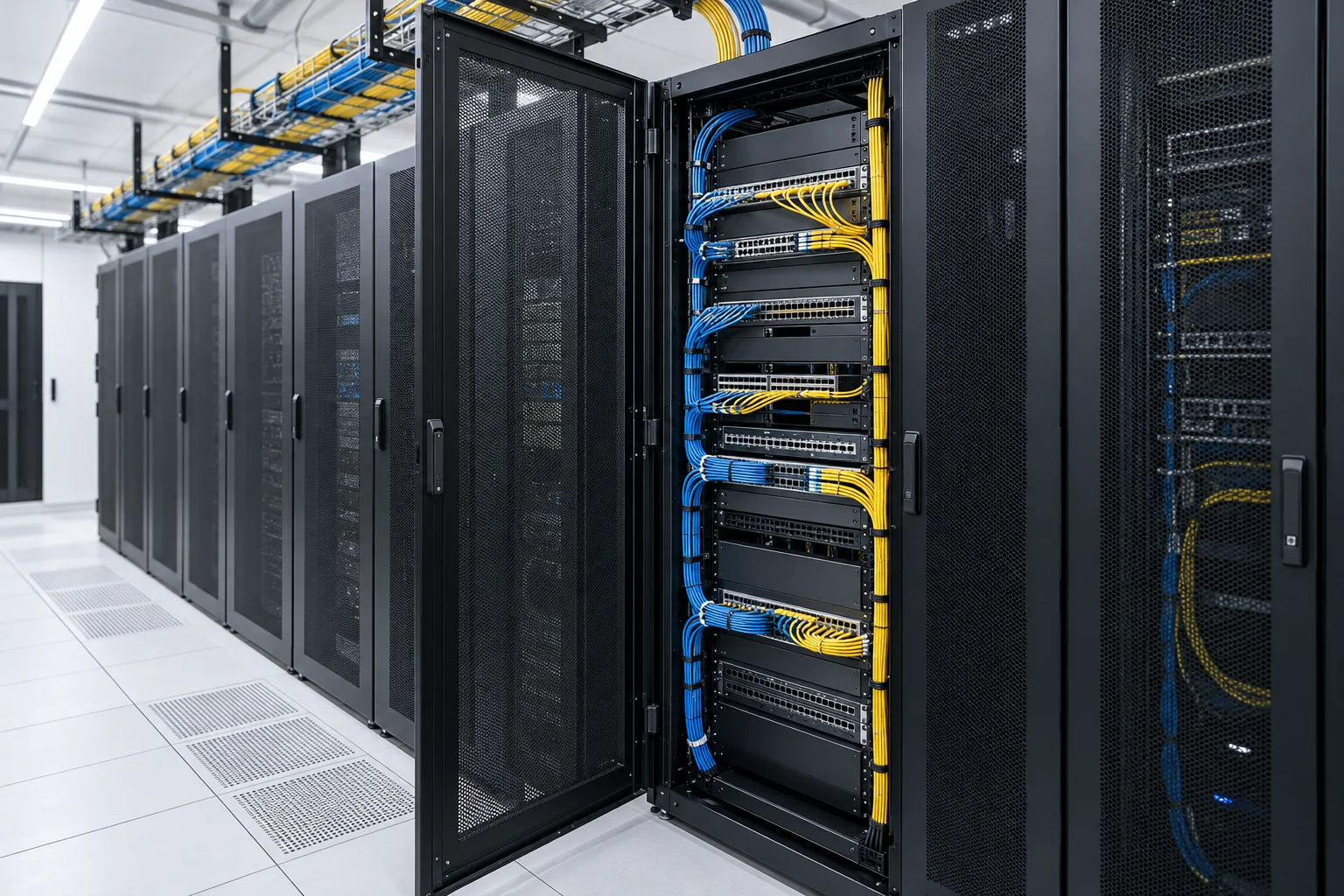
04 · Equipment rooms
Rack & Pathway Hardware
Network cabinets, integrated racks, cable trays, fiber raceways and cable management.
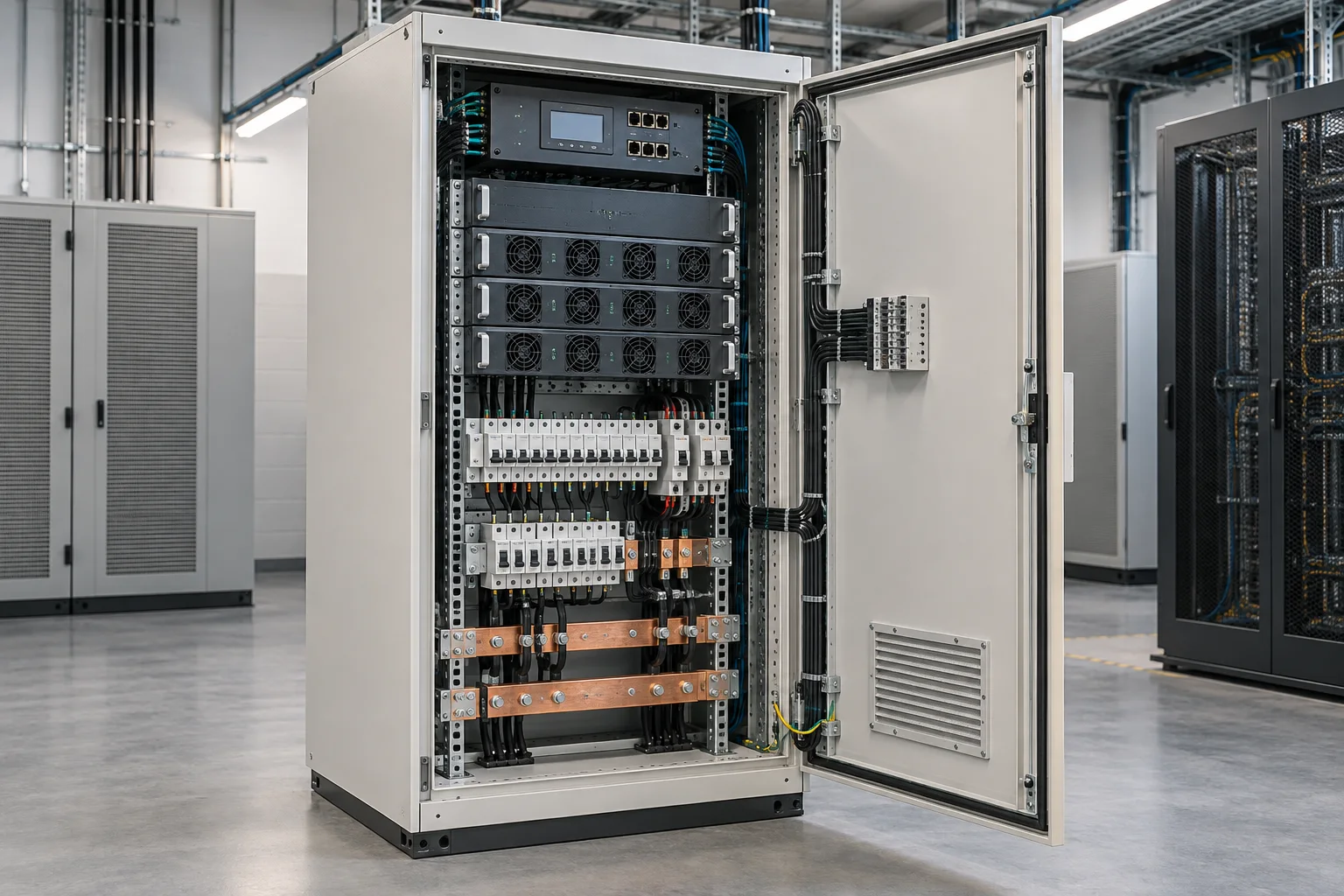
05 · Site support
Telecom Power Systems
AC-DC rectification, integrated power cabinets, PDU cabinets and site distribution.
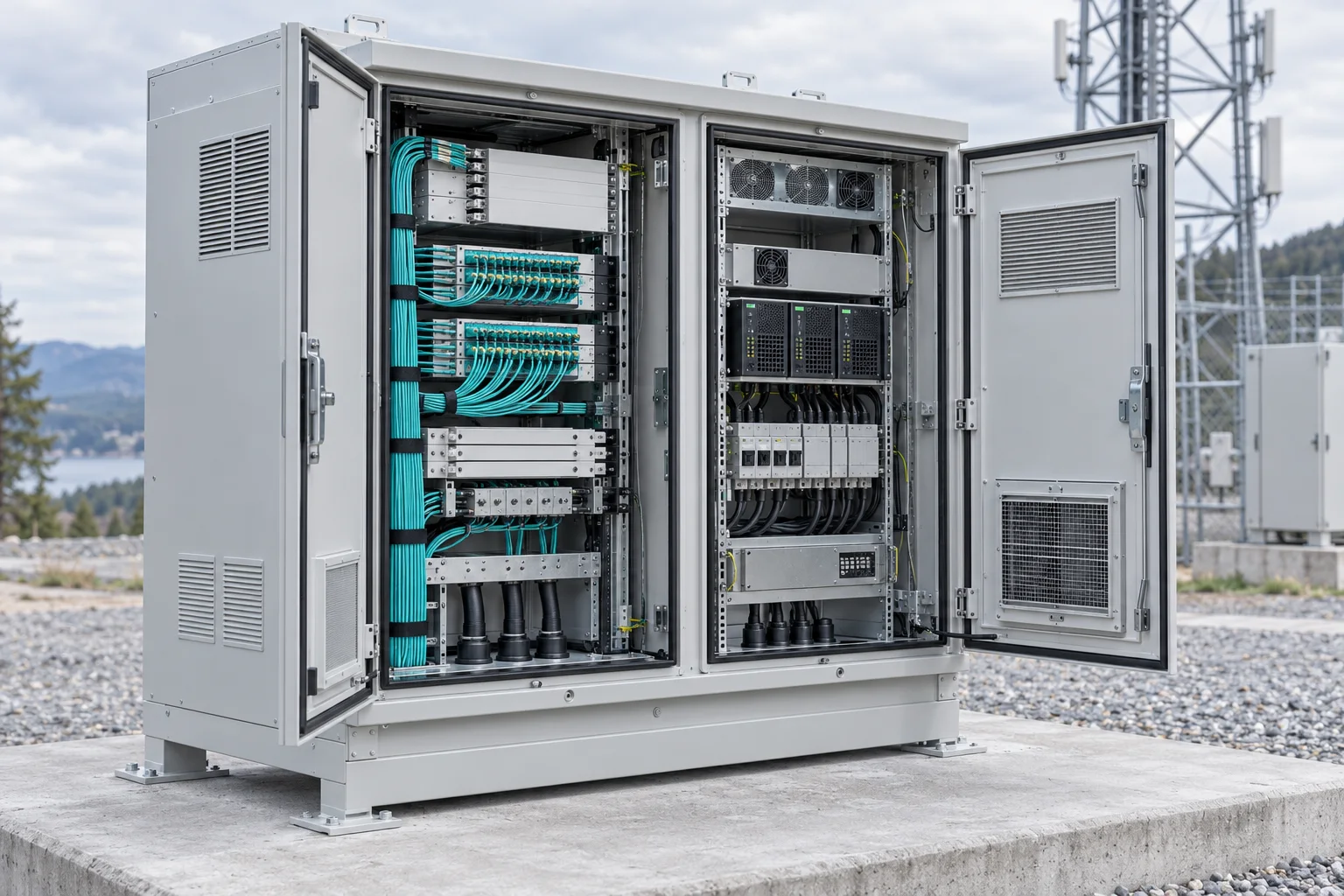
06 · Field protection
Outdoor Cabinets & Shelters
Weatherproof cabinets, equipment shelters and emergency communication enclosures.
The atelier method
Read the Network in Four Connected Layers
The method keeps optical decisions visible alongside the route, physical hardware and final field evidence.
Draw the route
Record distance, topology, pathway, building entry, exposure and each planned transition.
Model the optics
Define fiber category, wavelength, split, connectors, splices, power budget and margin.
Compose the hardware
Coordinate cable construction, closures, panels, racks, entries and maintenance access.
Frame the handover
Set labeling, inspection, continuity, insertion-loss, OTDR and documentation needs.
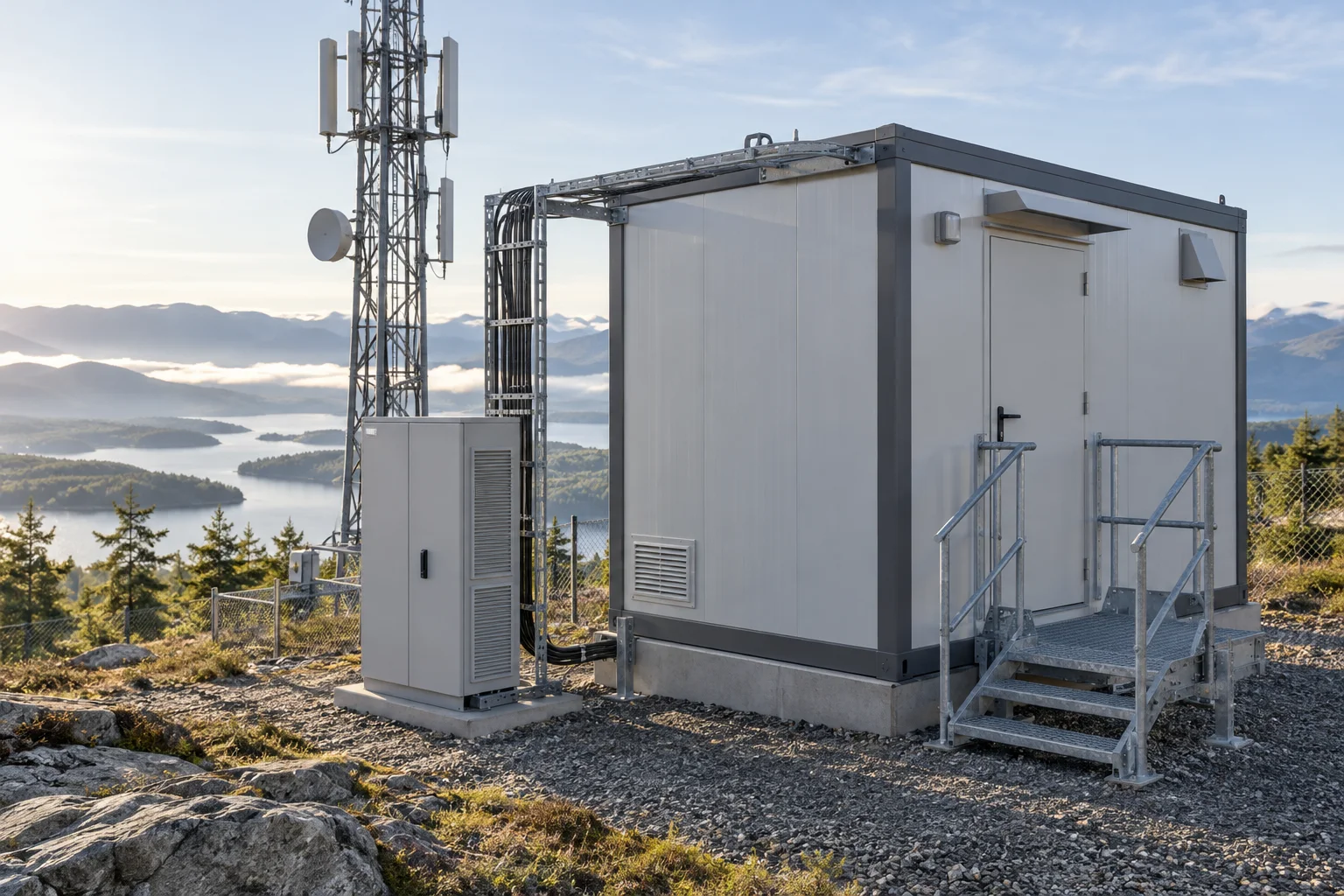
Context changes the detail
The Same Component Behaves Differently by Site
An FTTx route, equipment room and exposed field cabinet place different demands on construction, density, access and test evidence.
- FTTx and ODN: feeder, split, closure, distribution and subscriber termination.
- Campus and enterprise: backbone routes, building entry, patching and growth allowance.
- Industrial networks: protected pathways, robust cable and accessible field termination.
- Data and telecom rooms: racks, raceways, cable management and supporting power.
Technical folios
Recent Optical Network Dossiers
Use the local article library to surface terminology, component roles and field questions for further verification.
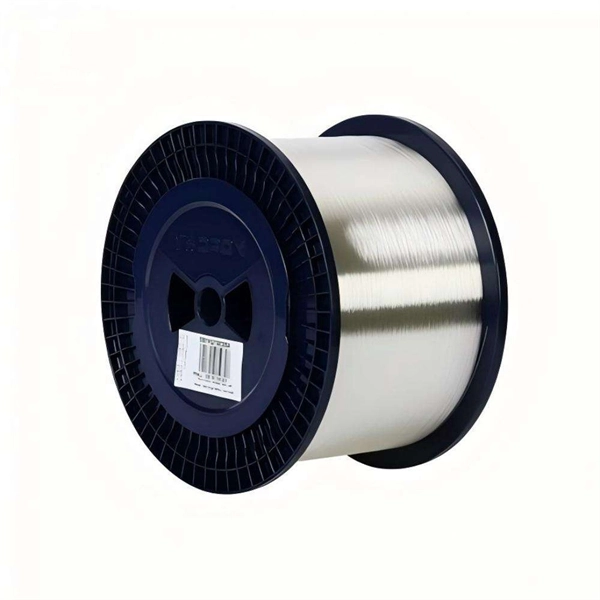
Can the router s fiber optic interface be used
Common Application Scenarios of SFP+ InterfaceWith the launch of the new Wi-Fi 7 products BE800, BE900 or Deco BE85, our home router products now support t.
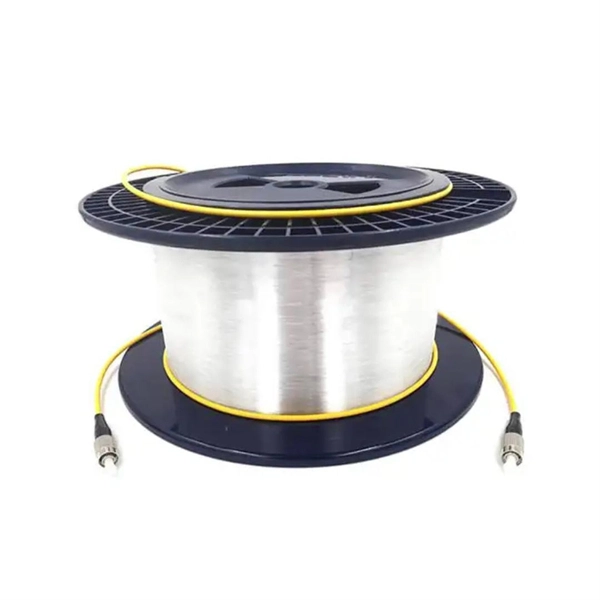
Can optical fibers be spliced without a fusion splicer tray
Fiber optic cable mechanical splicing is an alternate splicing technique which does not require a fusion splicer. Mechanical splicing uses a small, mechanical splice, about 6cm long and 1cm in diameter that permanentl…
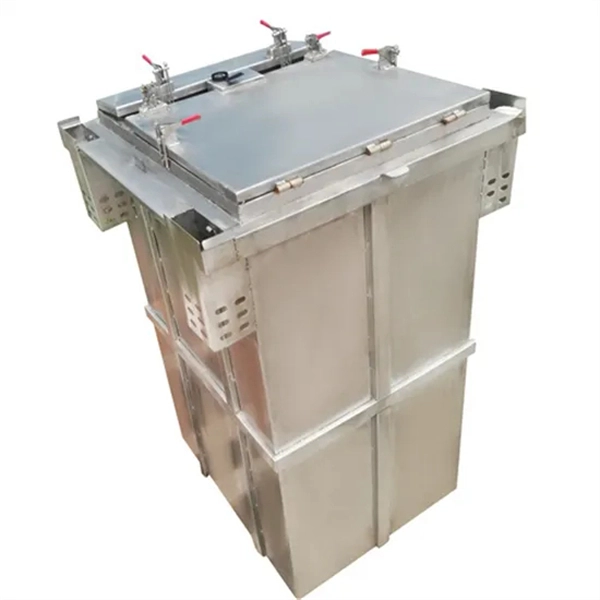
Stock Optical Cross-Connect Box with 4 Cores
Enhance your fiber network deployments with the SJ-ODB-SK01-4A-X optical fiber termination box, featuring pre-terminated SC-LC APC Simplex connectors, customizable 30-200M cable lengths with a pulling sheath, and easy…
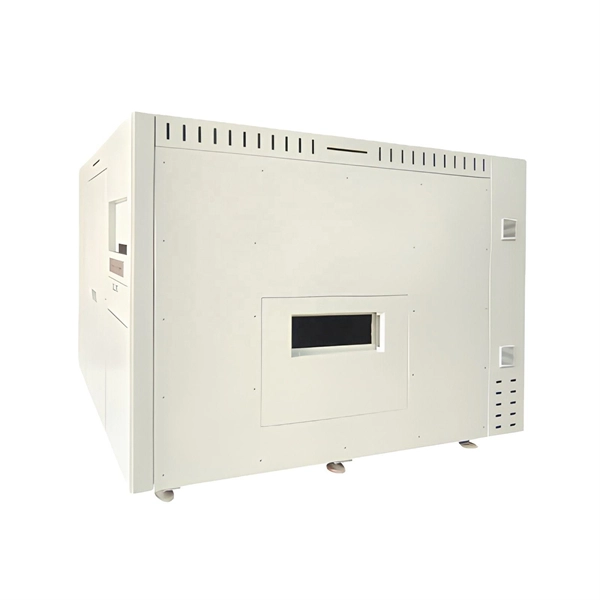
Feeder and Pigtail
pigtails electrical connection Follow these professional methods to achieve durable wire joints. Proper technique prevents loose contacts and ensures compl.
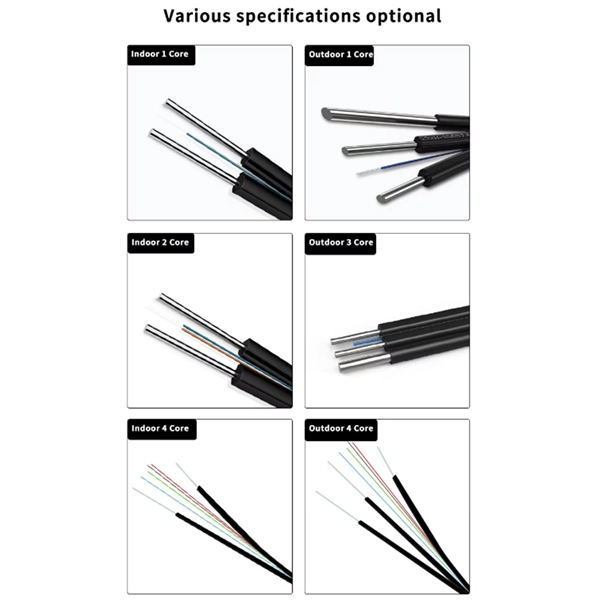
Which port should the fiber optic cable be plugged into when changing the router
How to Connect Fiber Optic Cable to Router: A Step-by-Step GuideConnect the fiber optic cable: Plug one end of the fiber cable into the wall outlet and the.
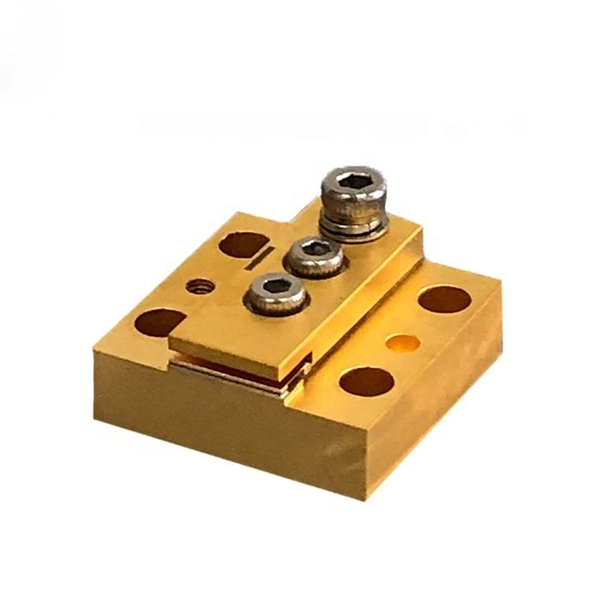
Fluorescent Fiber Optic Temperature Sensor and RTD
Fluorescence Based Fiber Optic Temperature Sensing FluoroSenz Fiber Optic Temperature Monitoring System conducts real time Fluorescence Optical Fiber Therm.
Frequently asked questions
Keep Every Component Connected to the Link
These questions help preserve context while moving from a broad route to a component schedule.
What should a useful fiber network brief contain?
Record the route, fiber count, topology, connector and splice interfaces, installation environment, distribution points, active-equipment ports and required test evidence. These inputs keep component decisions connected to the complete link.
How are fiber distribution products different from passive optical components?
Distribution products provide protection, routing and access through boxes, frames, panels and closures. Passive optical components perform optical functions or complete connections, including splitters, adapters, attenuators, patch cords and wavelength devices.
What should be checked when specifying an outdoor telecom cabinet?
Confirm enclosure size, mounting method, ingress and corrosion protection, thermal management, cable glands, internal rack space, power distribution, grounding and the temperature range expected at the site.
Can one inquiry cover fiber, rack and telecom power requirements?
Yes. A combined equipment schedule is usually more useful because fiber routing, rack layout, power distribution, ventilation and maintenance clearance affect one another.
Are the articles a substitute for project engineering documents?
No. The resources are for preliminary product research. Final dimensions, ratings, interfaces and compliance requirements must be checked against current standards and project documentation.
Open a working dossier
Build a Fiber BriefBring the Route, Interfaces and Site Conditions Together
Share what is known about topology, fiber count, environment, connected equipment and required evidence.