
01 · Route
Map distance, topology, pathways, access points and environmental transitions.
A compact workflow keeps route, optics, physical interfaces and verification evidence visible from early research through handover.
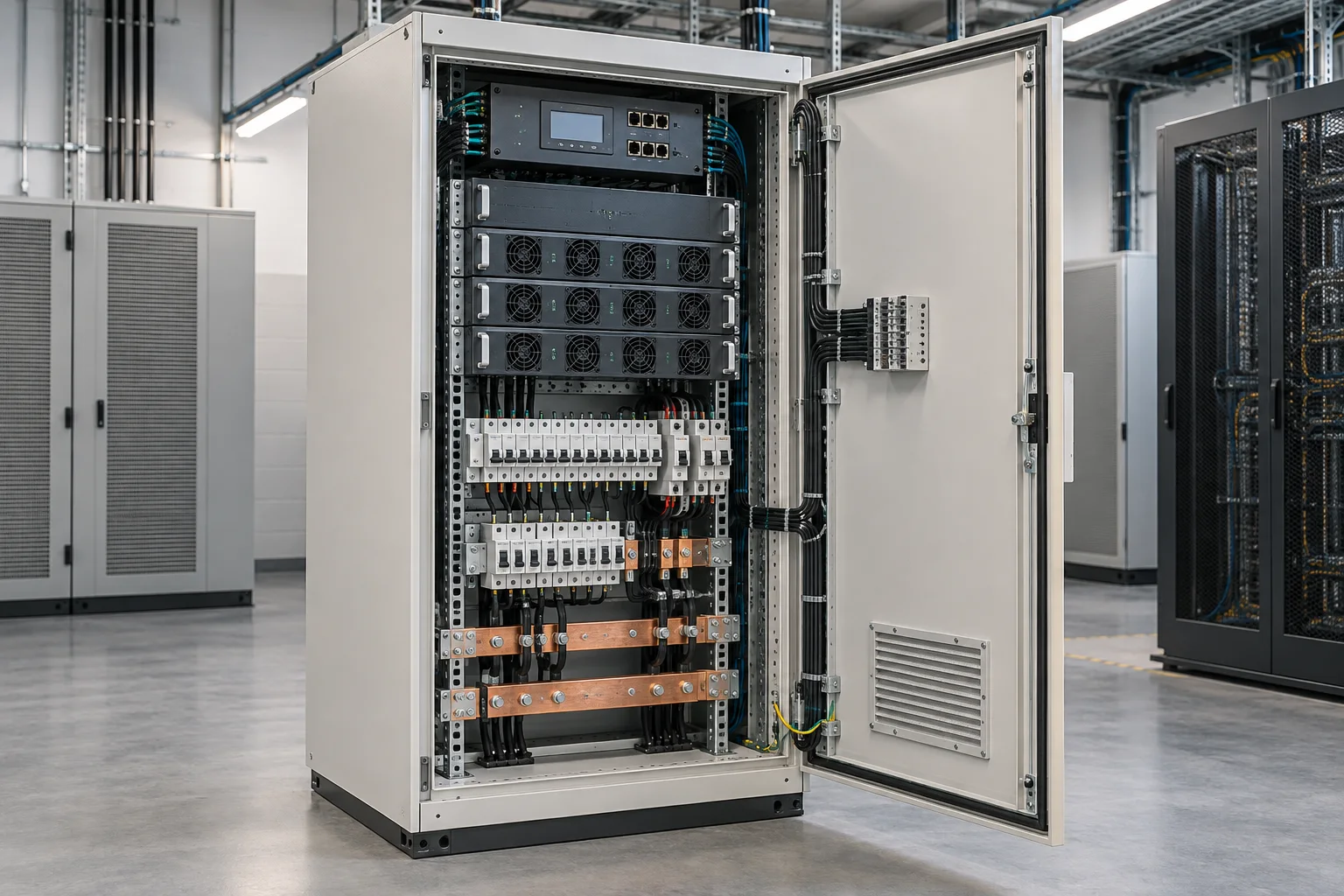
Every product has external interfaces. A fiber panel needs the correct cable and connectors. A rack needs the equipment depth and cable route. A power system needs a load schedule and protection concept. An outdoor cabinet needs all of these plus environmental control.
The sequence works for one patch link, an FTTx route, a data hall or a protected industrial backbone.
Map distance, topology, pathways, access points and environmental transitions.
Model fiber type, wavelength, connectors, splices, split and engineering margin.
Coordinate cable, termination, enclosures, rack space, entry and service access.
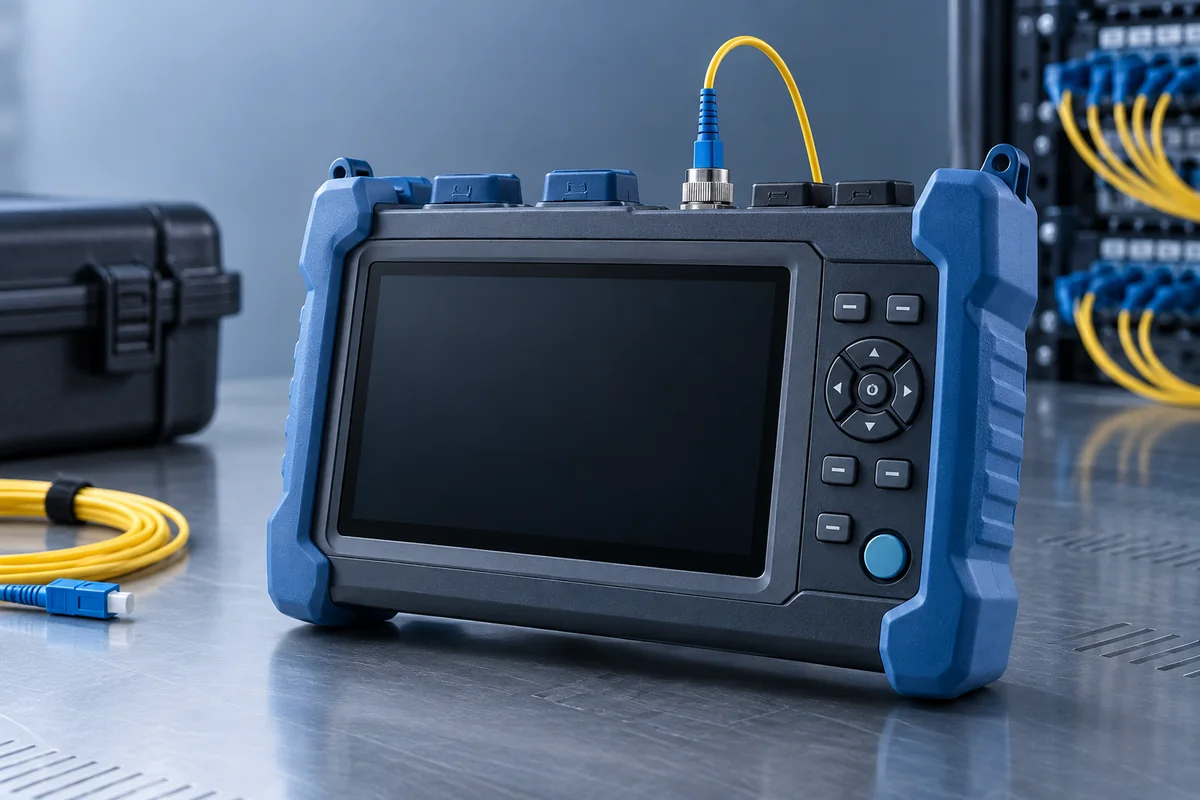
Define inspection, loss testing, OTDR, labeling and handover records where required.
Use the register as an inquiry checklist, not as a substitute for the applicable standards or project specification.
Fiber count, connector, polish, splice method, splitter format, cable diameter, bend control and labeling.
Rack units, width, depth, equipment load, door clearance, airflow, cable pathways and PDU location.
Input supply, DC voltage, load current, redundancy, protection, distribution, monitoring and grounding.
Protection rating, material, temperature, solar exposure, cooling, cable entry, mounting and access.
A useful technical package may include dimensions, internal layout, circuit schedules, fiber port schedules, declared enclosure ratings and relevant test information. The exact package depends on the product and project.
Early coordination is easier than changing cable entry, rack depth or power distribution after delivery.